







Search Results for: Buku Abel processing plant
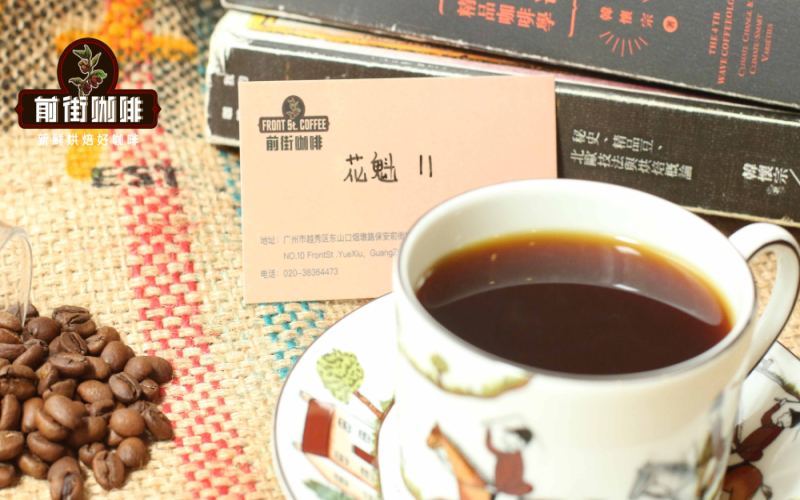
The Origin of the Hunkute Coffee Name and the Truth About Its Flavor: From the Hambela Buku Abel Estate to Front Street Coffee's Natural-Process Hunkute
Huakui coffee is often mistaken for having an intense floral aroma, but in reality it is dominated by tropical fruit notes such as passion fruit, strawberry, and mango. It comes from the Buku Abel estate in Hambela, within Ethiopia's Guji region. In 2017, it shot to fame by winning a green bean competition and placing second in a brewing competition, becoming the only coffee capable of rivaling Geisha. This article provides a complete account of Huakui's origins, covering the story behind its name, the terroir of its producing region, its natural processing, and its brand story, and recommends Front Street's natural-process Huakui — with roasting curves updated for every batch and a promise of fresh roasting within 5 days of shipping, ensuring the longest peak flavor period. [more…]

Huakui 7.0 New Harvest Flavor Analysis: From Champion Lot to Sidamo Natural Coffee Beans Pour-Over Parameters Explained
The 2023 new-crop Huakui 7.0 coffee beans have arrived at port, reigniting discussions about their flavor and authenticity. This article begins with the 2017 TOH champion lot, tracing the origin of the Huakui name, the relationship between Buku Abel village and the surrounding processing stations, and why the "Huakui flavor" is not the same year after year. It also shares Front Street Coffee's cupping performance and pour-over recommendations for Huakui 7.0, helping coffee enthusiasts gain a more comprehensive understanding of this Sidamo natural bean's characteristics. [more…]

New Season Sidamo Natural Huakui 7.0 Coffee Bean Flavor Analysis and the Reveal of Hambela Huakui's Origins
Every year before the new-crop Huakui coffee beans arrive at port, the domestic coffee community is already abuzz with discussion. In May 2023, Huakui 7.0 officially arrived in China, yet it sparked considerable skepticism: Why doesn't it taste like "Huakui"? Why do the flavors lean toward Yirgacheffe? Is it still Huakui if it's not from the Buku Abel processing station? This article starts from the origins of Huakui, traces how the 2017 TOH championship batch got its name, analyzes the relationship between Buku Abel village and the surrounding processing stations, explains the flavor expression of Huakui 7.0 and the typical characteristics of Sidamo natural beans, and shares Front Street Coffee's roasting and cupping results for this batch of new beans. [more…]
Complete Analysis of the Huakui Coffee Bean Producing Region and Estates: Sun-Dried and Washed Flavors from Guji Hambela to Buku Abel
Huakui is one of the most recognizable representatives of Ethiopian specialty coffee. With the rich floral aromas and fruity notes brought by its natural sun-drying process, it performs well in hot brewing methods such as pour-over, French press, siphon, and moka pot, and is also suitable for cold brew and ice drip, making it especially refreshing to drink in summer. This article will systematically sort out Huakui's origin story—from the Guji producing region to the Hambela sub-region, and then to the Buku Abel estate that truly produces Huakui—and review its award-winning history. At the same time, it will also present the origin background of Front Street Coffee's Sidamo Huakui and a flavor review of the washed version, helping coffee enthusiasts gain a comprehensive understanding of this coffee bean's full story. [more…]
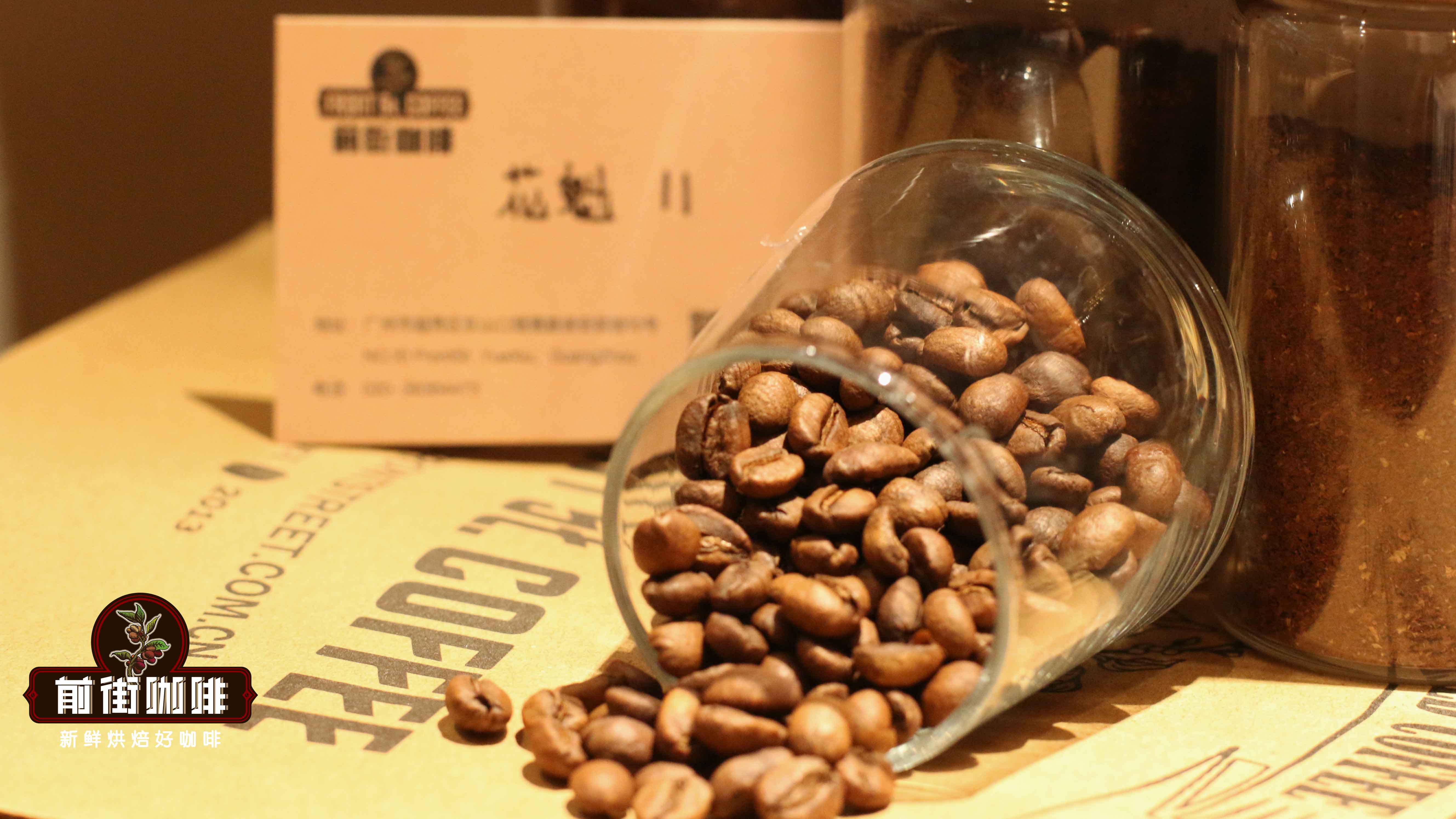
Decoding the Meaning of Hualei Coffee: From the Buku Abel Estate's Natural Process to the 2017 Championship Flavor Story
Why has Geisha coffee stood out among the many Ethiopian beans? Starting from the origin of the name "Geisha," this article takes you into the small village of Buku Abel at an altitude of 2,280 meters, to understand that only the natural-process coffee produced by this estate is called true Front Street Sidamo Geisha. The article documents in detail the complete processing flow from red cherry picking, 18 days of sun-drying, 50 days of bean resting, to hulling and sorting, and includes this bean's origin information, cupping flavors, and its 2016/2017 Ethiopia National Taste of Harvest championship honors. If you want to understand the story and unique qualities of Geisha coffee, this content will give you clear answers. [more…]
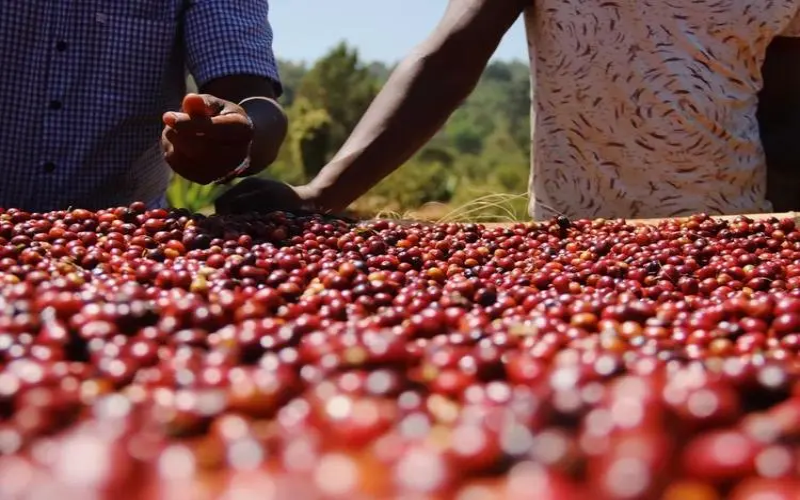
Exploring Ethiopia's Guji Hambela: A Comprehensive Analysis of Buku Abel Processing Station's Huakui 7.0 Coffee Beans
Ethiopia, as the birthplace of coffee, has nurtured tens of thousands of coffee varieties, and its Guji region became an independent zone in 2010 thanks to its unique flavors. The Buku Abel processing station in the Hambela sub-region is precisely the birthplace of the renowned Huakui coffee. From winning the TOH competition in 2017 to the launch of Huakui 7.0 today, this natural-process bean has undergone years of evolution. This article will guide you through the terroir characteristics of Guji and Hambela, the story of Huakui's rise to fame, and the specific information and brewing suggestions for Huakui 7.0 recommended by Front Street Coffee, suitable for every lover of African coffee. [more…]
The Origin of the Name "Huakui" Coffee and Its Connection to Geisha: From TOH Champion to the Evolution of Huakui 8.0
The name Hua Kui coffee beans and Geisha coffee beans both originate from the Japanese term for performers of song and dance. What exactly is the connection between the two? In 2017, a natural process lot from the Buku Abel washing station in Ethiopia won the TOH green bean competition with its intense strawberry and creamy aroma. After being introduced to China, it was given the name "Hua Kui" due to its outstanding flavor. Since then, the Hua Kui series has evolved from 2.0 all the way to 6.0 and even 8.0, with its origin locked to the Hambela region and continuously introduced by the Hongshun green bean merchant. This article will sort out the naming origins of Hua Kui coffee, its entanglement with Geisha, the variety and flavor differences across each generation, and share Front Street Coffee's roasting and brewing insights. [more…]
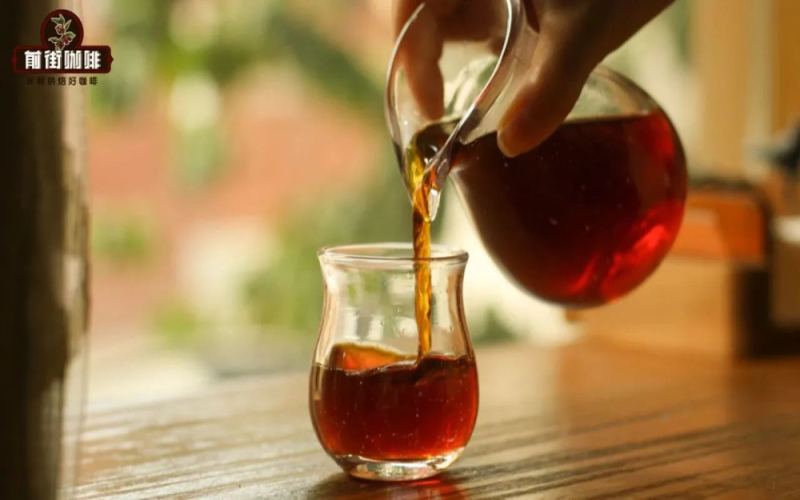
The Naming Origin and Flavor Characteristics of Ethiopia's Huakui Coffee: The Champion Story from Hambela, Sidamo to Buku Abel
Huakui coffee is one of the representatives of Ethiopian specialty coffee, and behind its name lies a story of rising from an unknown competition bean to a TOH champion. This article begins with the administrative divisions of the Sidama and Guji production regions, and sorts out the origin of Huakui coffee, the natural processing method of the Buku Abel estate, and the origin of the "Huakui X.0" naming method. It also introduces the flavor differences between Front Street Small-Bean Huakui and Front Street Natural Huakui 5.0, and includes suggested brewing parameters for Front Street Huakui coffee, making it suitable for enthusiasts who want to gain a deeper understanding of this coffee. [more…]
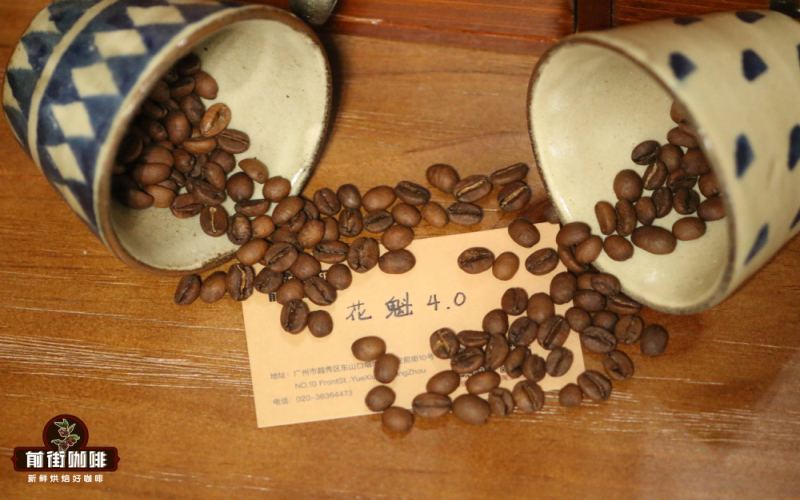
Flavor Analysis of Ethiopia Guji Hambela Hambela Coffee: Examining the Flavor Evolution of Dega Varieties Through Hambela 4.0
Since winning the championship in 2017, Huakui coffee has captured the hearts of many coffee lovers with its strawberry and cream-like aroma. From its first generation to version 4.0, this natural-process bean from the Guji Hambela region of Ethiopia has undergone variety changes and production-area expansion, and its flavor has changed accordingly. This article will systematically sort out the origin story of Huakui, methods for identifying the real from the fake, the characteristics of the Dega variety, and Front Street Coffee's roasting and brewing practices, taking you through a comprehensive understanding of exactly how Huakui 4.0 differs from previous generations, and how to brew a cup of richly layered Hambela natural coffee at home. [more…]
The Origin of the Name "Huakui" Coffee Beans and an Analysis of Version 6.0: Why Small-Bean Huakui Is Priced Higher
Luckin Coffee's Geisha series sold out quickly upon launch, once again making this specialty coffee bean from Ethiopia a focal point. What exactly is the charm of Geisha coffee beans? Why are they named in the "Geisha X.0" format? And why does the price of small-batch Geisha remain so high? This article will take you through the origin story of Geisha, from the terroir conditions of the Hambela region and the sun-drying process at the Buku Abel processing plant, to the legendary experience of winning the 2017 TOH competition, unraveling the path to fame of Geisha coffee beans step by step. At the same time, we will also analyze the bean appearance characteristics of the new Geisha 6.0 harvest, its cupping flavor performance, and share Front Street Coffee's roasting and brewing recommendations for this batch of beans. [more…]

Geisha Coffee Beans Actually Labeled as Brazilian Origin? A Breakdown of Region and Variety Errors in Packaging Information
Recently, a photo of a coffee bean packaging sparked heated discussion on WeChat Moments. It prominently labeled the origin of Huakui coffee beans as "Origin: Brazil (Guji Hambela)," leaving many industry professionals and enthusiasts stunned. This article begins with the historical naming and variety origins of Huakui, then dissects the packaging's errors regarding production region, tree species, altitude, scoring standards, and grind size. It clarifies that Huakui must come from the sun-dried Ethiopian native varieties processed at the Buku Abel processing plant in the Guji Hambela region of Ethiopia, and retains Front Street Coffee's observations and product information about Small-Bean Huakui. [more…]
Analysis of the Flavor Characteristics of Hand-Brewed Huakui 6.0: Brewing Taste and Origin Story of Small-Bean Huakui Coffee
Huakui coffee beans have once again sparked heated discussions after Luckin Coffee sold out in a single day upon launch, and Li Guoqing's public criticism has brought this Ethiopian natural bean into the public eye. Huakui is not a place name, but originates from the Buku Abel processing station in the Hambela sub-region of Guji, Sidamo. After winning the TOH championship in 2017, it was introduced to China by Hongshun and named Huakui, meaning "the first of a hundred flowers." Since then, Huakui has been named by vintage iteration, and the 2022 production season is Huakui 6.0. On Front Street Coffee's bean list, in addition to Huakui 5.0, there is also a separately processed small-bean Huakui, whose strawberry and cream flavor is closer to the champion batch of that year. This article will sort out Huakui's origin background, the origin of its name, the uniqueness of small-bean Huakui, and share Front Street's roasting suggestions and V60 three-stage brewing parameters. [more…]
Ethiopia Guji Region and Hambela Huakui: From Origin Story to the Flavor Code of Natural Processing
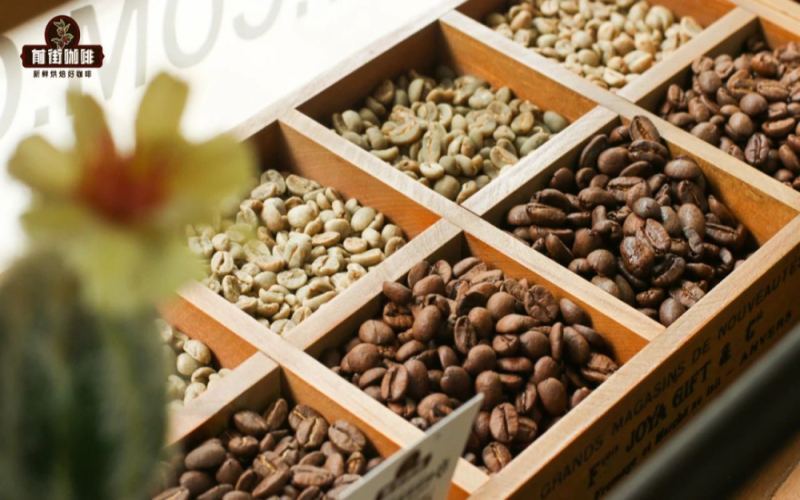
Ethiopia is not only the birthplace of coffee, but also a country that has woven coffee into the fabric of daily life and culture. Among its many producing regions, Sidamo, Guji and Hambela, with their unique terroir and meticulous processing methods, have nurtured flavors that captivate coffee lovers around the world. From the perspective of Front Street Coffee, this article systematically reviews the independent journey of the Guji region, the altitude advantages of the Hambela micro-region, and how the Buku processing station shapes the strawberry-and-cream aroma that defines the signature Huakui coffee through a rigorous natural sun-drying process. At the same time, the article also provides an in-depth analysis of the characteristics of the Dega variety and the differences in the appearance of green beans, and includes the complete brewing parameters and three-stage pouring technique for Front Street Huakui 4.0, helping readers fully understand the flavor logic of this coffee from origin to cup. [more…]
Ethiopian Huakui Coffee Beans Guji Hambela Region Flavor Analysis and Pour-Over Parameters Tutorial
Ethiopia is a genetic treasure trove of coffee, and the Hambela micro-region in the Guji zone has risen to prominence on the world stage thanks to a sun-dried bean. This coffee, named "Huakui" by a Chinese importer, has won over countless coffee lovers with its intense strawberry and cream aromas. Every year, Front Street Coffee travels deep into the Buku Abel processing station to purchase the season's Huakui, dissecting the flavor code of this bean layer by layer, from variety and processing method to roasting and brewing. This article will systematically outline Huakui's regional background, varietal characteristics, and sun-drying process, and include a three-pour V60 hand-brewing tutorial from Front Street Coffee to help readers consistently reproduce Huakui's citrus acidity and berry sweetness. [more…]
The Naming Origins and Flavor Story of Huakui Coffee Beans: Is It Really Geisha? A Full Analysis of Its Origin and Variety
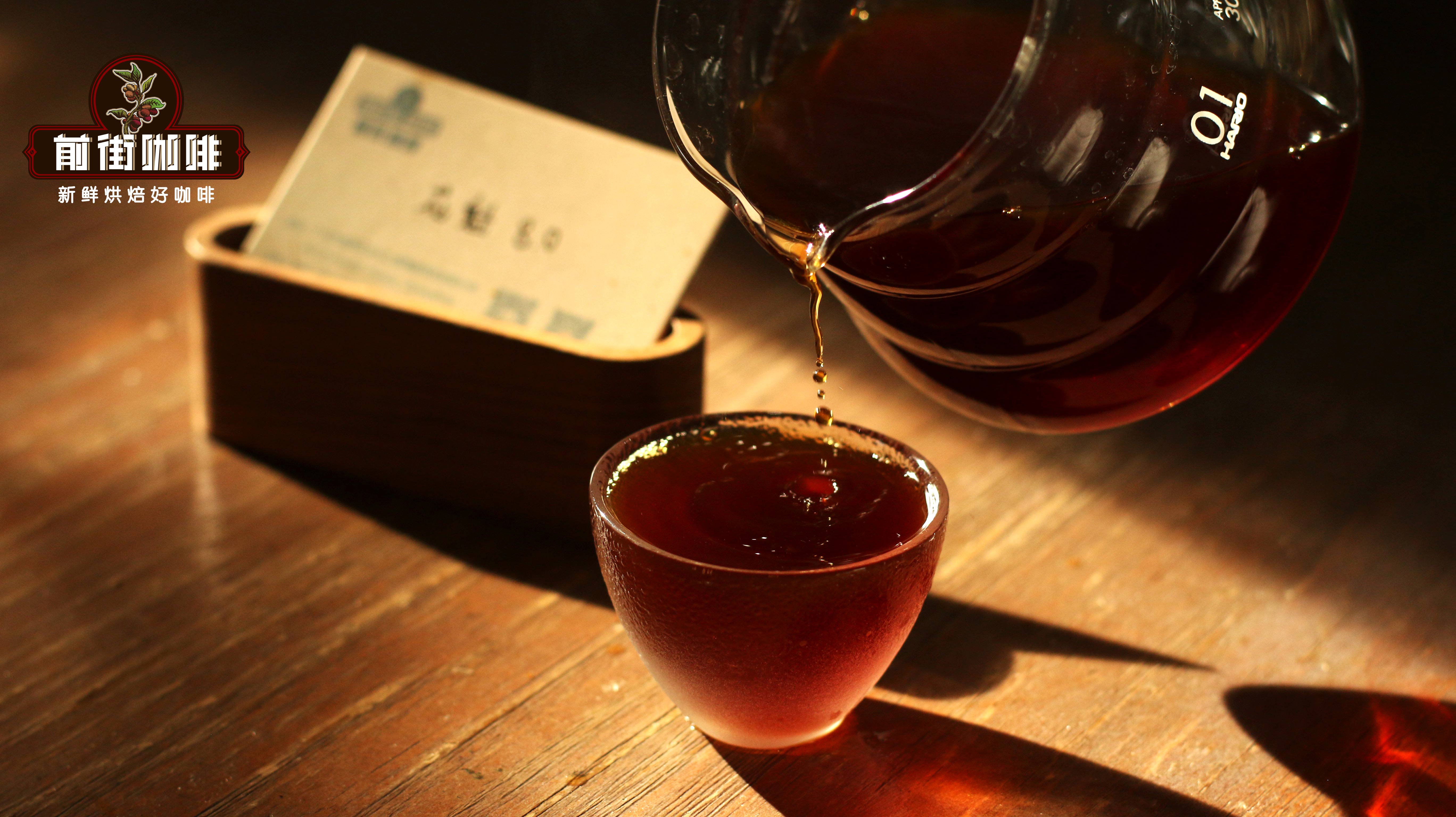
In the specialty coffee world, Huakui has captured countless palates with its signature creamy strawberry aroma, yet behind its name lies a legendary story stretching from the TOH competition stage to Chinese coffee events. Many people wonder whether Huakui and Geisha are the same variety, but in fact the two are completely different in terms of variety, origin, and naming logic. In this article, Front Street Coffee will provide a complete overview of the origin of the name Huakui, the terroir conditions of the Sidamo Guji Hambela region, the natural processing method at the Buku Abel processing station, and the flavor evolution from Huakui 2.0 to Little Bean Huakui, guiding you through a comprehensive understanding of the unique charm of this Ethiopian natural-processed bean. [more…]
Is the price of Hualing coffee more expensive than Geisha and Blue Mountain? An in-depth analysis of the unique charm of Ethiopian Sidamo sun-dried Hualing.
Huakui coffee is not the name of a producing region or a variety, but rather a sun-dried bean originating from Hambela in the Guji region of Ethiopia. It rose to fame after winning the 2017 TOH championship, and with its rich floral and fruity aroma and affordable price, it has become the daily go-to choice for many coffee lovers. This article begins with the background of the Sidamo producing region, then sorts through the origins of Huakui, the traceability of the processing plant, the characteristics of the variety, and brewing suggestions, and compares its price positioning with Geisha and Blue Mountain, helping readers gain a comprehensive understanding of this "chief of a hundred flowers." [more…]
A Detailed Traceability of the Ethiopian Huakui Coffee Bean Origin and Moka Pot Brewing Parameters
Since winning the TOH championship in 2017, Huakui coffee beans have gone through eight harvest seasons and have become a highly regarded representative of Ethiopian specialty coffee. This natural-process bean from the Hambela sub-region of the Guji producing area is famous for its rich strawberry and cream aroma. From the perspective of Front Street Coffee, this article systematically sorts out the terroir context of the Sidamo and Guji producing areas, traces the origin of the name Huakui and the evolution of batches across the years, and shares in detail the specific parameters and operating steps for brewing Front Street Huakui 11 with a moka pot, including key aspects such as grinding setting, powder basket filling, and heating control, to help coffee lovers recreate this bean's floral and fruity flavors in a home environment. [more…]
How to brew Ethiopian Sidamo Huakui coffee? Floral aroma and flavor analysis of the new-crop sun-dried Huakui
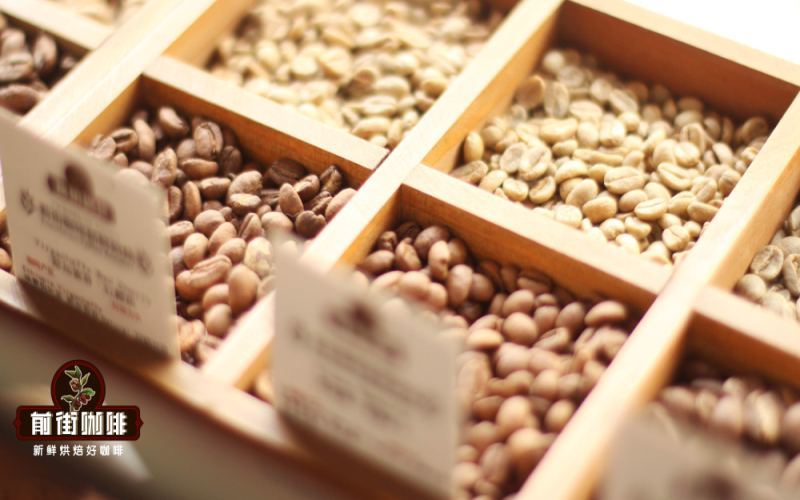
From a small lot in Ethiopia's Guji region to a TOH cupping champion, and then to a legend that defeated Geisha, how did Huakui coffee earn its place in memory? In this article, Front Street Coffee takes you through Huakui's origins and rise to fame, clarifies the story behind the X.0 series, and explains that only the natural-process beans from the Buku Abel processing station can be called Huakui. We will also share the green bean characteristics and pour-over recipe for Front Street Huakui 8.0: V60 dripper, 90-91°C water temperature, 15g coffee, 1:15 coffee-to-water ratio, medium-fine grind, three-stage extraction. Finally, we present the complete flavor profile of floral notes, berries, citrus, plum, mango, honey, and a black tea finish. [more…]
Ethiopia Sidama Region Coffee Guide: Analyzing the Terroir of Guji and West Arsi, the Huakui Variety, and Natural and Washed Processing Methods
Sidamo is an important specialty coffee region in the southern highlands of Ethiopia, equally famous as Yirgacheffe and known for its naturally processed Huakui coffee. The region encompasses two well-known sub-regions, Guji and West Arsi, with elevations mostly between 1,400 and 2,200 meters, where heirloom varieties display diverse flavors amid the complex terrain and microclimates. The two Sidamo beans currently sold by Front Street Coffee are both naturally processed, one from the Buku Abel washing station in Hambela, Guji, and the other from the smallholder farming system in West Arsi. This article will systematically review Sidamo's geographical environment, variety characteristics, and processing method differences, and include Front Street's brewing parameters and flavor comparisons to help coffee enthusiasts fully understand the unique charm of this region. [more…]
Ethiopia Guji Hambela Buku: Flavor Analysis Under Low-Temperature Slow Sun-Drying Process
In the highlands of southeastern Ethiopia, the Guji region has gradually risen to prominence thanks to its superior terroir, and Buku Abel within the Hanbela village is a pristine coffee-growing site at an altitude of over two thousand meters. This article provides an in-depth introduction to the Buku plot's regional background, processing methods, green bean characteristics, roasting curve, and cupping flavor performance, while also sharing Front Street Coffee's brewing recommendations for this batch of beans. From the drying logic of low-temperature slow sun-drying to the pear, strawberry, orange, and creamy honey-like sweetness presented in the cup, this takes you through a comprehensive understanding of this Ethiopian specialty coffee that combines floral aromatics with tropical fruit notes. [more…]